Progressive Overload: How to Progress Without Chasing Maxes
A practical progression framework for adding load, reps, sets, and better movement quality while keeping recovery and technique in check.
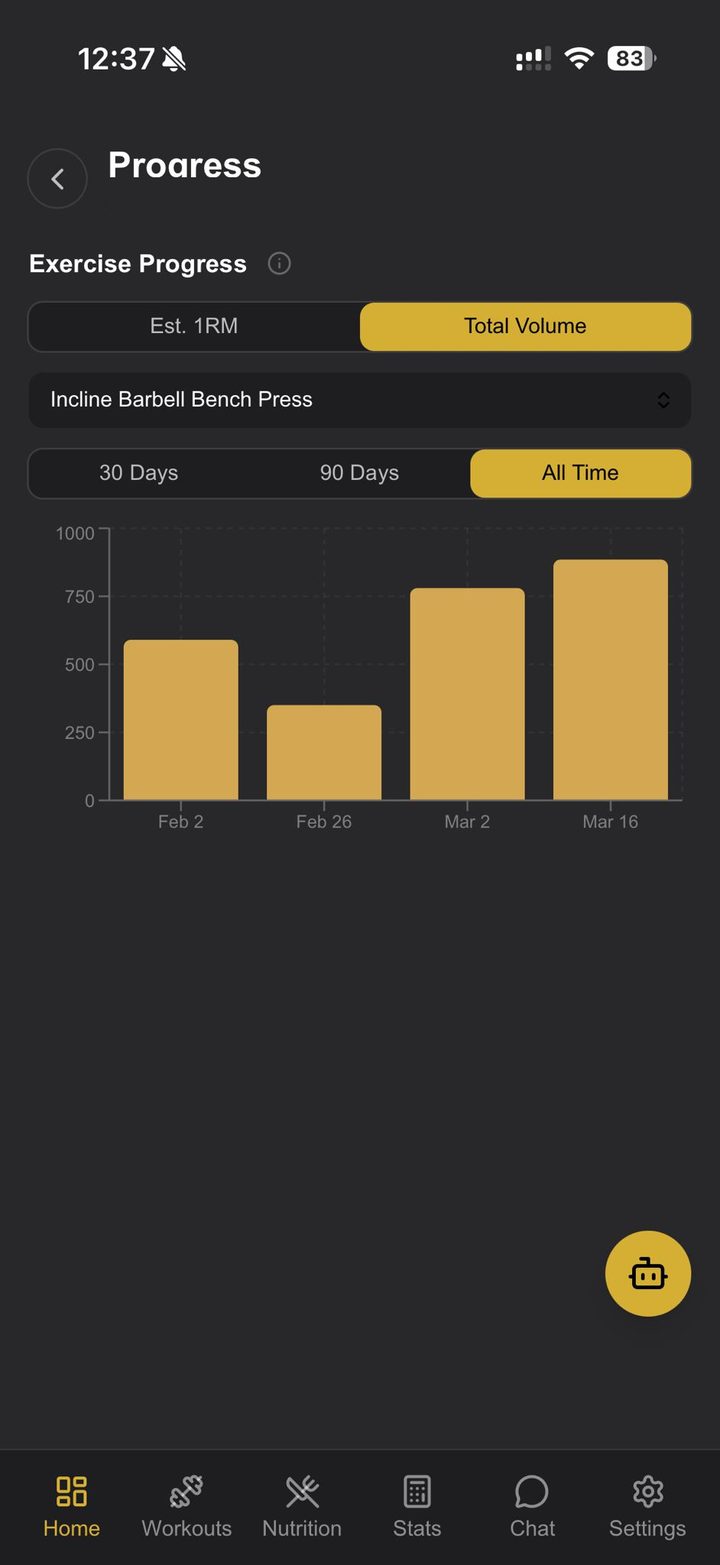
Progressive overload means the training stress has to become more demanding over time. That sounds simple, but most lifters turn it into one narrow rule: add weight every workout. That works for a short beginner phase. After that, it usually creates sloppy reps, shorter range of motion, missed sessions, and stalled progress.
A better definition is this: keep the movement standard stable, then make one useful variable harder. The useful variables are load, reps, sets, range of motion, tempo, density, and exercise difficulty. If you add weight but your squat gets shallower or your bench press turns into a bounce, you did not overload the target movement. You changed the task.
The Progression Order I Use With Lifters
For most people, progression should move in this order:
- Technique first. The rep should look repeatable. Depth, control, bracing, and setup need to stay consistent before the number on the bar matters.
- Reps second. Add reps inside a planned range, such as 6 to 10 or 8 to 12. This gives you more practice and a measurable signal without forcing load jumps too early.
- Load third. When you can hit the top of the rep range across all working sets at the target effort, increase the load and return to the lower end of the range.
- Volume last. Add sets only when performance is stable and recovery is good. More sets are not automatically better if they lower quality or interfere with the next session.
This is why a log matters. In Carbyne Lab, a useful note is not just 80 kg x 10. It is 80 kg x 10 at RPE 8, full depth, no knee pain, normal rest time. That gives you a decision for next week. A raw number does not.
A Simple Double-Progression Model
Choose a rep range and an effort target. For example, a bench press accessory block might use 3 sets of 8 to 12 at RPE 7 to 8. Start with a load you can do for 8 clean reps on each set. Each week, try to add one rep somewhere while keeping the same effort and form. When you can complete 12, 12, and 12 with the same movement standard, add a small amount of weight and restart near 8 reps.
That pattern gives you several ways to win. A week where you move from 8, 8, 8 to 9, 8, 8 is progress. A week where the same reps feel easier is also progress. A week where you keep the load but improve depth, control, or pain-free range is progress if that was the limiting factor.
How Much Volume Is Enough?
Research does not give one perfect set number for everyone, but it does support a dose-response relationship between weekly resistance-training volume and muscle growth. The practical reading is not do as much as possible. It is start with the least volume that produces progress, then add only when performance, soreness, sleep, appetite, and motivation suggest you can recover from more.
For a normal recreational lifter, a good starting point is 8 to 12 hard sets per muscle group per week. If progress is moving, do not add sets just because a template says 20. If progress stalls for multiple weeks and recovery markers look good, add 2 to 4 weekly sets for the lagging pattern and watch the next two weeks closely.
When Not to Progress
Do not increase the load when your range of motion shortens, your last reps become forced grinders, joint pain appears, sleep has been poor, or your warm-up weights move unusually slowly. Hold the load, reduce a set, or use a lighter technique session. This is not a lack of discipline. It is how you keep a training block alive long enough to work.
The goal is not to make every session heroic. The goal is to collect months of slightly better sessions. A lifter who adds 2.5 kg to a lift every six weeks for a year has made real progress. A lifter who forces 10 kg jumps for three weeks and then spends six weeks hurt has not.
How to Apply This in Carbyne Lab
Use the workout log to compare the same exercise under the same conditions. Keep exercise names consistent, record RPE when possible, and add short technique notes only when they affect a decision. If a lift stalls, check the history before changing the program: did volume increase too quickly, did sleep drop, did reps drift closer to failure, or did exercise selection change?
Progressive overload is not a motivational slogan. It is a feedback loop: plan the stress, perform it with a clear standard, record what happened, recover, then make one small adjustment.
Sources and Further Reading
Author
Brian Chang
Brian Chang is an IFPA Master Personal Trainer who writes and reviews Carbyne Lab's fitness education, with a focus on strength training, exercise technique, nutrition tracking, and practical coaching decisions.
View author profileReviewed
Brian Chang, IFPA Master Personal Trainer
Maintained under the site's editorial standards. Last updated May 26, 2026.
View reviewer profileReady to train smarter?
Try Carbyne Lab free — AI-powered workout tracking, nutrition logging, and program generation.
Get Started FreeMore from the Blog
The Complete Warm-Up Guide for Lifters
A simple warm-up structure for strength training: raise temperature, open the needed range, activate weak links, and ramp to working weight.
Squat Form Guide: Build a Repeatable Squat Before Adding Load
A coach's checklist for squat stance, bracing, depth, bar path, common mistakes, and when to reduce load.
Understanding RPE: Use Effort Without Guessing
Learn how to use RPE and reps in reserve for strength training decisions, when to trust it, and when percentages are safer.
Missed Workouts: How to Restart Without Cramming a Whole Week
What to do after missed sessions: preserve the main patterns, reduce catch-up volume, and restart with the next best workout.