Squat Form Guide: Build a Repeatable Squat Before Adding Load
A coach's checklist for squat stance, bracing, depth, bar path, common mistakes, and when to reduce load.
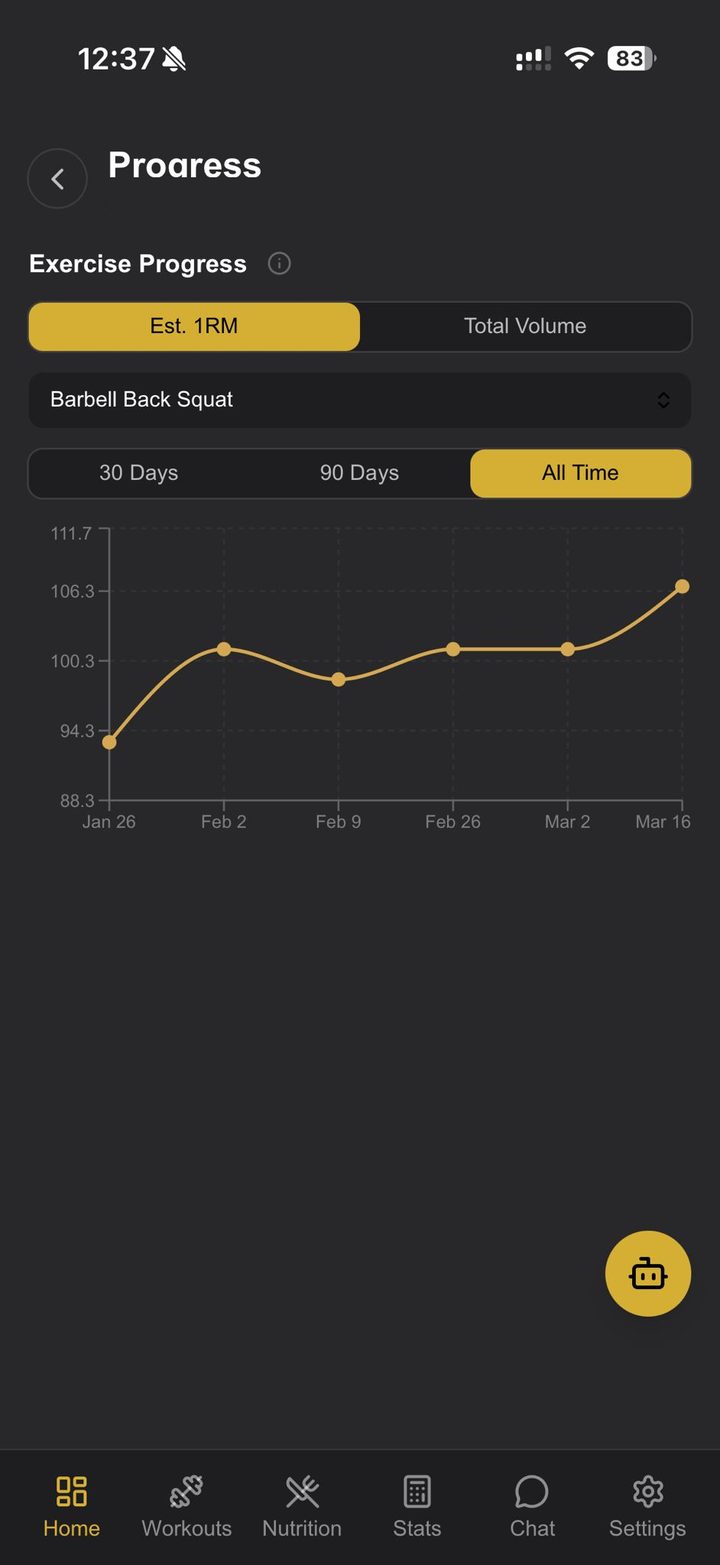
A good squat is not one universal shape. Limb lengths, hip structure, ankle mobility, bar position, and training goal all change how a squat looks. The standard is not whether your squat matches a textbook photo. The standard is whether the movement is stable, deep enough for your goal, pain-free, and repeatable under load.
Before adding weight, build a squat you can reproduce. Load magnifies the pattern you already have.
Step 1: Choose a Stance You Can Own
Start with feet around shoulder width and toes turned slightly out. From there, adjust. If your hips pinch at the bottom, try a slightly wider stance or a little more toe angle. If knees cave inward, reduce load and practice driving knees in line with the toes rather than forcing an extreme stance.
The right stance lets you keep the whole foot planted, descend under control, and reach useful depth without pain. A stance is wrong if it only works for warm-up weight and collapses under working weight.
Step 2: Brace Before You Descend
Bracing means creating trunk pressure before the rep starts. Take air low into the torso, lock the ribs and pelvis into a strong position, then descend without relaxing. The brace should support the spine while still letting you move.
A common error is inhaling into the chest, arching hard, and losing rib position. Another is staying loose until the bottom and trying to tighten up on the way out. The brace has to come first.
Step 3: Control the Descent
Do not dive into the bottom unless you are an advanced lifter with a reason to use bounce. Most lifters benefit from a controlled descent that keeps balance over the midfoot. Hips and knees should bend together. If the hips shoot back first, the squat turns into a good morning. If the knees slide forward while the hips stay high, depth and balance usually suffer.
Watch the bar path from the side. It does not need to be perfectly vertical on every frame, but it should stay close to the midfoot. Large forward shifts often signal poor bracing, rushing the descent, or a stance that does not fit the lifter.
Step 4: Define Useful Depth
Depth should match the goal and the lifter. Powerlifting has a competition standard. Hypertrophy training may use deep squats if joints tolerate them. General fitness clients may use the deepest pain-free range they can control while working on mobility over time.
Do not add load by quietly cutting depth. If a lifter squats below parallel at 80 kg and half squats 100 kg, those are different exercises. Record the range honestly so progression means something.
Common Mistakes
- Heel lift: Often caused by ankle mobility, stance, or balance issues. Use slower eccentrics and check footwear before blaming willpower.
- Knee collapse: Reduce load and cue knees to track with toes. Add tempo work or pauses if the lifter cannot feel the position.
- Hip shoot: The chest drops and hips rise first out of the bottom. Reduce load, strengthen quads, and practice staying patient through the first half of the ascent.
- Loose upper back: The bar shifts because the shelf is unstable. Improve grip, elbow position, and lat tension before the descent.
How Motion Review Helps
Camera-based feedback can help identify visible patterns: depth, tempo, side-to-side shifts, and whether the torso angle changes abruptly. It should not be treated as a medical diagnosis or a replacement for a coach, but it can make review more objective than memory.
In Carbyne Lab, use motion analysis or video notes to compare the same lifter over time. The useful question is not is this squat perfect? It is did the pattern improve while the training load progressed?
When to Reduce Load
Reduce load when pain appears, depth changes unintentionally, the bar path shifts dramatically, or every rep becomes a grind. Technique work is still training. A clean 80 kg squat that builds repeatable mechanics is more valuable than a messy 100 kg squat that teaches compensation.
Sources and Further Reading
Author
Brian Chang
Brian Chang is an IFPA Master Personal Trainer who writes and reviews Carbyne Lab's fitness education, with a focus on strength training, exercise technique, nutrition tracking, and practical coaching decisions.
View author profileReviewed
Brian Chang, IFPA Master Personal Trainer
Maintained under the site's editorial standards. Last updated May 26, 2026.
View reviewer profileReady to train smarter?
Try Carbyne Lab free — AI-powered workout tracking, nutrition logging, and program generation.
Get Started FreeMore from the Blog
Push-Up Form Guide: Make Bodyweight Pressing Measurable
How to set up push-ups, choose the right regression, count clean reps, and progress bodyweight pressing without cheating range of motion.
Gait Analysis Basics: What Running Form Feedback Should Focus On
A practical introduction to cadence, step symmetry, overstriding, fatigue changes, and the limits of visual gait feedback.
Deadlift Setup Checklist: Fix the Start Before Pulling Harder
A step-by-step checklist for deadlift stance, grip, brace, lat tension, bar position, and when to reduce load.
Sleep and Recovery: The Training Variable Most Lifters Underestimate
How sleep changes strength sessions, hunger, recovery, motivation, and when to adjust training after poor sleep.